YICK LUNG has been part of Hawaiʻi’s snack culture for over 100 years. Now Derek Ching — a fourth-generation entrepreneur and former warehouse kid from Dillingham Avenue — is rebuilding it for the next generation.
Derek Ching grew up working in his family’s YICK LUNG warehouse on Dillingham Boulevard, where he was exposed early to Hawaii’s snack and crack seed business. Today, he is rebuilding the heritage YICK LUNG brand for a new generation through modern products, retail distribution, and e-commerce.
He is, in the most literal sense, a fourth-generation steward of a brand that has been woven into local culture since before most living Hawaiʻi residents were born. When the brand faded, he saw not a loss but an opening.
One Hundred Years of Flavor
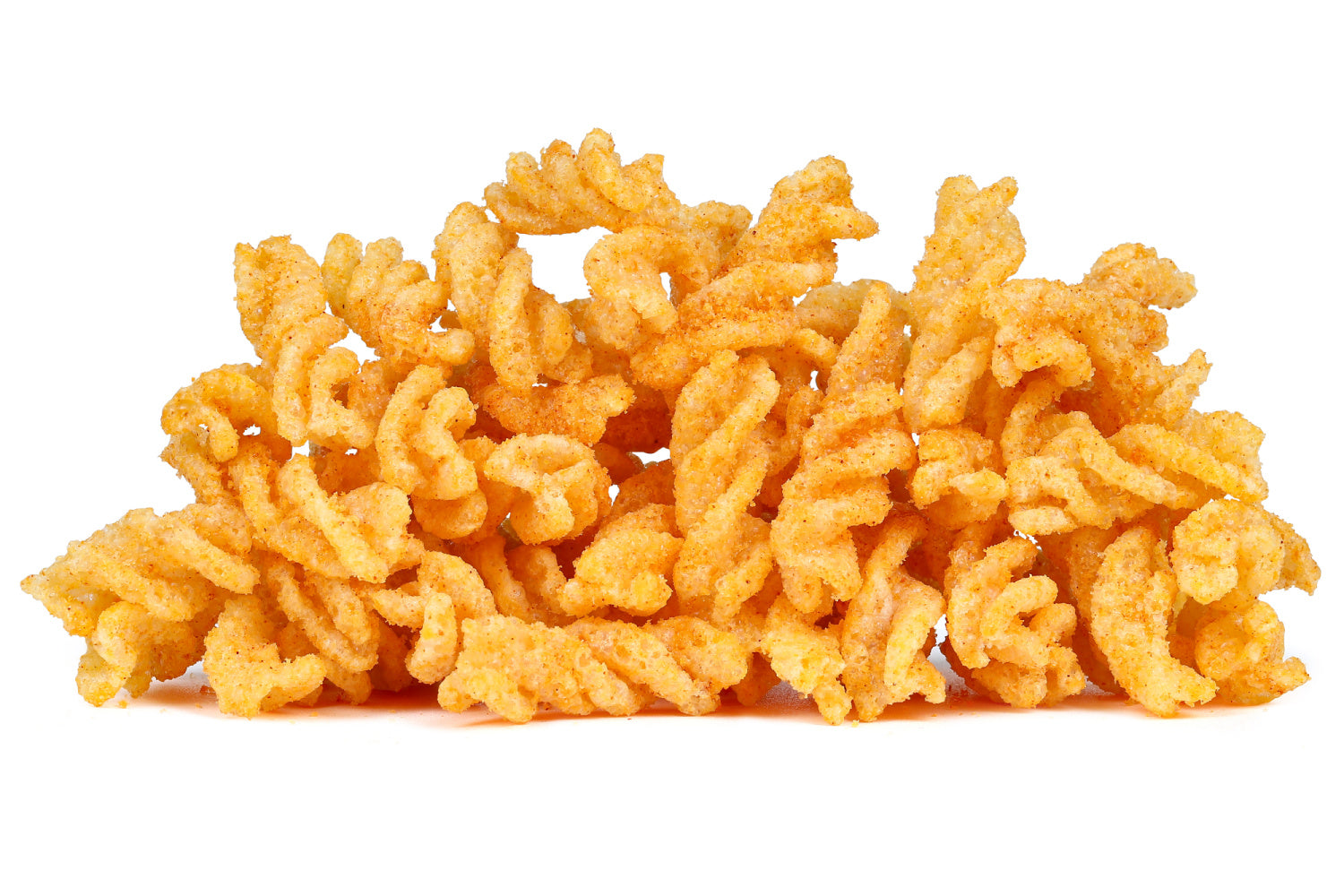
YICK LUNG — Hawaii’s Choice is not a startup borrowing aesthetic cues from nostalgia. It is the actual thing: a heritage brand more than a century old, known for Nibb-its and Li Hing Plum and Mango tablets, whose flavors are embedded in the collective memory of the islands. The sweet-salty-tangy Li Hing Mui profile. The light, crispy, instantly shareable Nibb-its. These aren’t invented flavor profiles — they’re part of how Hawaiʻi tastes.
“YICK LUNG is not a new brand trying to borrow from Hawaiʻi culture,” Ching says. “It is a heritage brand from Hawaiʻi being rebuilt for the next generation. The goal is to build the brand thoughtfully and sustainably so it can grow for generations.”
That distinction matters to him because nostalgia is easy to fake and impossible to manufacture — and YICK LUNG has the real thing in abundance. What it needed was someone willing to do the unglamorous work of rebuilding the operations around it.
YICK LUNG is not a new brand trying to borrow from Hawaiʻi culture. It is a heritage brand from Hawaiʻi being rebuilt for the next generation.


The Supply Chain Nobody Left Behind
Reviving a brand from the 1970s and ‘80s sounds romantic until you try to actually do it. The original suppliers were gone. The production relationships had dissolved. The vendors who once knew exactly how a Nibb-it was supposed to taste had moved on or closed down. Ching had to rebuild the supply chain essentially from scratch — finding new co-packers, new sources, new production partners — while holding an invisible standard in his head: it had to taste right.
“One of the biggest challenges has been bringing back a recognizable product from the 1970s and 1980s when many of the original supply sources, vendors, and production relationships were no longer available,” he says. “We had to rebuild the supply chain with new sources while still trying to stay cost-efficient and true to what customers remembered.”
Early attempts hit a wall. One reformulation made the snack lighter — a reasonable instinct for a modern product — but longtime YICK LUNG fans pushed back hard. The memory they carried was specific. They knew what it was supposed to be, and lighter wasn’t it.
“That feedback was extremely valuable,” Ching says. He took it seriously, adjusted, and kept going.
Nostalgia Opens the Door. Operations Determine Everything Else.
This is the line that cuts to the heart of what Ching has learned. Love for the brand across generations of Hawaiʻi families is powerful enough to open doors. It gets people interested. It earns goodwill. It puts the product in someone’s hand for the first time.
But it does not solve for freight costs. It does not negotiate distributor margins. It does not manage cash flow or packaging film or compliance or inventory. All of that falls on the founder, and none of it is visible to the consumer holding the bag.
“People might be surprised to learn how much of rebuilding a heritage snack brand happens behind the scenes,” Ching says. “The public sees the bag on the shelf, but behind that are decisions about co-packers, frying methods, packaging film, freight costs, distributor margins, retail pricing, compliance, inventory, and cash flow.”
His summary of the real lesson is the kind of thing they don’t put on founder profile slides: “The biggest lesson has been that nostalgia can open the door, but operations determine whether the business can scale.”


What It Means to Build in Hawaiʻi
In a small place, reputation is infrastructure. Ching understands this viscerally. He is not building YICK LUNG in front of anonymous consumers — he is building it in front of family members, former classmates, longtime retailers, and people who remember what the brand meant before he touched it. That kind of visibility is both a motivator and a weight.
“Building a business in Hawaiʻi means carrying responsibility,” he says. “Hawaiʻi is a small place, and reputation matters. You are not just building for customers; you are building in front of family, friends, retailers, community partners, and generations of people who remember what the brand used to mean.”
His advice to other founders reflects the same dual awareness: “Respect the community, know your numbers, and do not confuse local support with a complete business model. Start with heart, but run the business with discipline. Both matter.”
The Product That Bridges Then and Now
Of all the products in the YICK LUNG lineup, Nibb-its carries the most freight — emotionally, historically, and strategically. It is the hero product, the one most people reach for first when they hear the name, the one most likely to prompt that look of recognition across generations.
For Ching, it represents something specific: the bridge. “Nibb-its represents the bridge between the old YICK LUNG and the future of YICK LUNG – Hawaii’s Choice,” he says. “It is the product that can reconnect longtime customers while introducing the brand to a new generation.”
The proudest moment so far has been “hearing directly from consumers through our website with positive comments about our recent Nibb-its batches,” he says — that was the signal that the work was landing. That the updated product was honoring the memory without betraying it.
The Next Chapter
The five-year vision is clear-eyed and ambitious in equal measure: strong distribution across the islands, growing e-commerce, and expansion into the continental U.S. and select international markets. A Nibb-its presence on shelves far beyond Hawaiʻi. A Li Hing tablet line that grows alongside it. And eventually, a brand that Hawaiʻi can point to with pride wherever it appears.
“The brand is already gaining renewed traction through Hawaii retail distribution, growing consumer response online, and expanding interest beyond the islands," Ching says.
“I want YICK LUNG to become a brand that Hawaiʻi can be proud to see on shelves beyond the islands,” he adds.
What keeps him going through the hard parts isn’t a growth metric. It’s the customers who show up in his inbox with memories. The families who remember. The people for whom a bag of Nibb-its is not a snack but a portal.
“When someone shares a memory of growing up with the brand,” he says, “it reminds me that I am not just building a product line. I am helping carry forward something that has meaning to people.”